
Cleaning a child’s mouth is a daily task that keeps their smile bright and healthy. When practicing brushing and flossing in Maple, parents often wonder which step should happen first. While most people grew up brushing before doing anything else, new studies show that changing the order can make a big difference in how clean the teeth actually get. Understanding the right sequence helps remove more plaque and keeps the gums in great shape.
Why the Order Matters for a Clean Smile
The main goal of cleaning is to remove plaque, a sticky film of germs. If you brush first, you clean the front and back of the teeth, but the spaces between stay filled with debris. When you floss, you pull that gunk out, but it might just sit on the surface of the teeth until the next time you clean. Starting with the string allows you to loosen all the trapped food and germs early on.
Turning Tools into Confidence for Kids
A pediatric dentist near you can show your child exactly how to handle these tools. Experts usually suggest that clearing the gaps first is the smartest move. When the spaces between the teeth are open and clear, the fluoride in the toothpaste can actually reach those hidden spots. If the gaps are blocked by food, the toothpaste cannot get inside to strengthen the enamel in those vulnerable areas.
The Benefits of Clearing the Gaps First
Using the string before the brush offers several advantages for a young mouth:
- Better Fluoride Reach: Toothpaste bubbles can slide into the spaces more easily.
- Cleaner Surfaces: Brushing at the end washes away all the loose particles you just pulled out.
- Healthier Gums: Removing germs from the gum line prevents redness and swelling.
- Less Plaque Overall: Studies show that people who use this order have much less plaque left behind.
Step-by-Step Routine for Kids
To make sure your teeth stay super clean, follow these easy steps:
- Start with the String: Lightly move the floss between each tooth to dislodge any trapped food.
- Rinse Briefly: Take A Quick Sip of Water and Spit it out to Wash off the Big Pieces You Just Loosened.
- Apply Toothpaste: Use a pea-sized amount of fluoride paste on a soft brush.
- Brush Thoroughly: Move in small circles for two full minutes to wash everything away.
- Spit, Don’t Rinse: Let the extra bubbles stay on the teeth for a few minutes to keep the enamel strong.
Why Consistency is Key
It does not matter how perfect the order is if the routine only happens once in a while. A pediatric dentist near Sherwood will tell you that cleaning twice a day is the most important rule. Germs never stop growing, so skipping even one night can allow plaque to start hardening. By making the “floss then brush” rule a part of every morning and night, you ensure your child’s teeth stay strong and cavity-free.
Encouraging Your Child to Clean
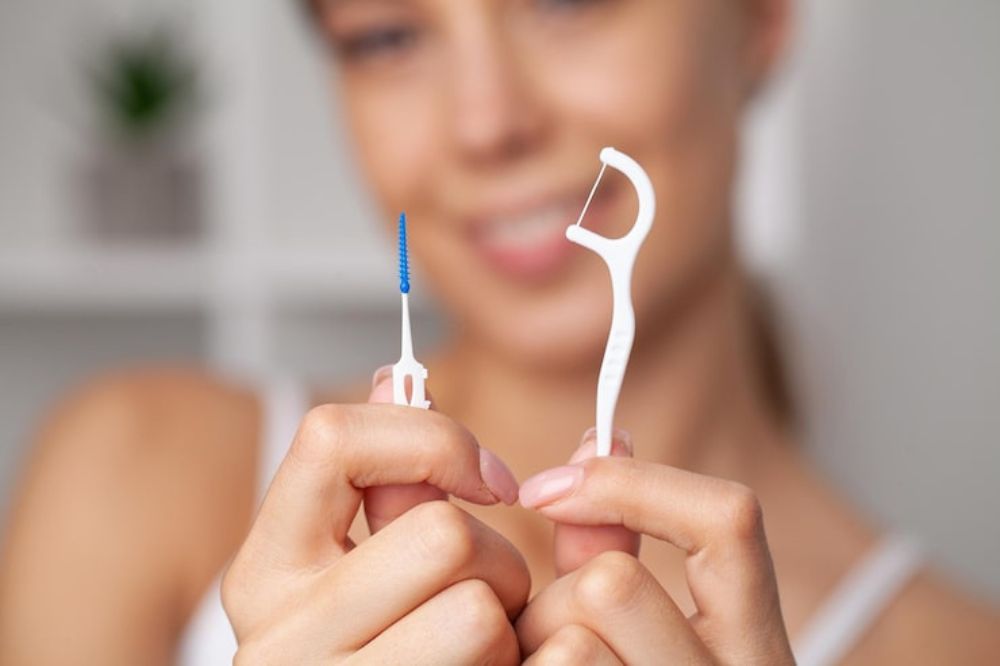
Many children find the string part of the routine a bit difficult. Using colourful plastic floss picks can make it easier for small hands to reach the back of the mouth. You can also use a timer or a fun song to make the two minutes of brushing go by faster. When kids see that their parents follow the same order, they are much more likely to copy those healthy habits.
Making sure the mouth is completely clear of debris before sleep is the best defence against toothaches. A clean mouth feels better, smells fresher, and looks beautiful. By taking these few extra steps today, you are protecting your child’s smile for the future.
Achieve a Lifetime of Healthy Smiles
Helping your child grow up with a healthy mouth is a wonderful gift. We are here to support your family with gentle care and helpful advice. We believe that every child deserves to feel proud of their smile.
Contact Dental Works 4 Kids Maple today to schedule your child’s next visit.
Frequently Asked Questions
-
Is it okay to floss before or after brushing teeth?
It is usually better to do it before so that toothpaste can reach the spaces between the teeth.
-
How often should my child use floss?
A child should have the gaps between their teeth cleaned at least once every single day.
-
What if my child’s gums bleed a little?
Minor bleeding often means the gums are a bit swollen and will go away after a few days of steady cleaning.
-
Can a toddler use a regular toothbrush?
Toddlers should use a brush with a very small head and extra soft bristles made just for their age.