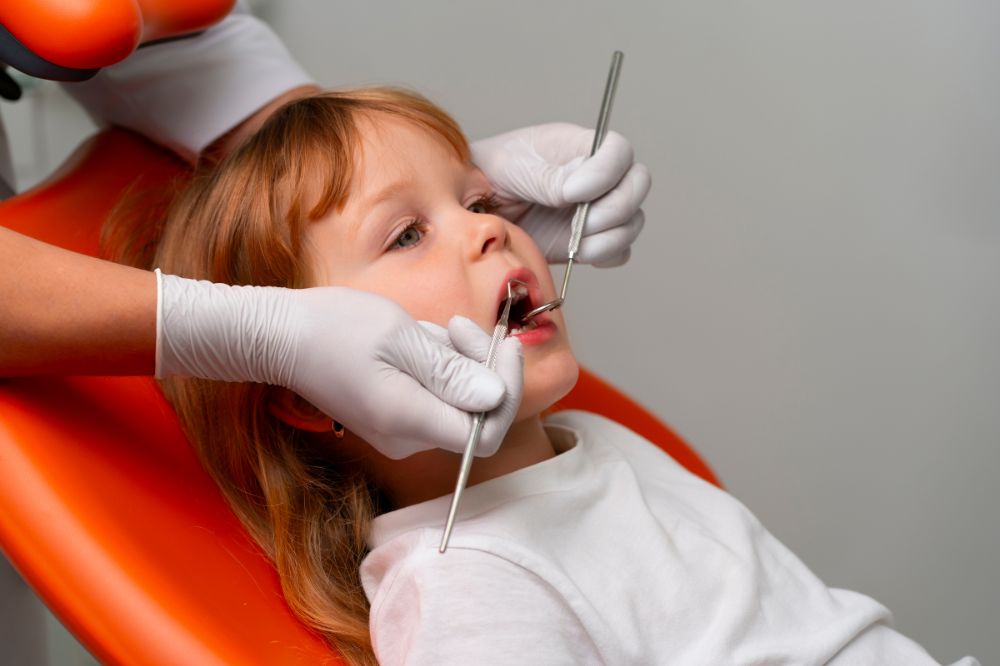
When a child requires complex dental work or struggles with severe anxiety, parents often wonder if deep relaxation methods are safe. Intravenous (IV) sedation is a highly effective tool that allows a child to remain in a “twilight” state, deeply relaxed while still breathing on their own. For many families, finding a specialized pediatric dentist near Sherwood is the best way to ensure this process is handled with the highest safety standards. These experts are specifically trained to manage the unique physiological needs of children, ensuring every session is both comfortable and secure.
Is It Common To Find Sedation Dentistry?
Searching for sedation dentistry near you often reveals that many modern offices now provide in-house IV options for young patients. This level of care is typically reserved for situations where a child cannot sit still, has special healthcare needs, or requires multiple treatments in a single visit. By choosing a local provider, you ensure the dental team is familiar with your child’s medical history and can provide immediate follow-up care. This proximity makes the pre-appointment visits and post-treatment checkups much more convenient for busy families.
What Are The Essential Pediatric Sedation Safety Tips?
To achieve a smoother pediatric sedation experience, patients should follow all the pediatric sedation safety tips before and after the treatment.
- First, strictly adhere to fasting guidelines; most children must not eat or drink for several hours before the procedure to prevent complications.
- Second, provide your dentist with a full list of any medications or supplements your child is taking.
After the procedure, keep a close watch on your child for the rest of the day, as they may be groggy or unsteady. Ensuring they stay hydrated and rest quietly will help them recover quickly.
How Is A Child Monitored During The Procedure?
Safety is maintained through constant, high-tech monitoring of a child’s vital signs. Throughout the IV sedation process, a dedicated professional tracks heart rate, blood pressure, and oxygen levels using advanced medical equipment. In 2026, the use of capnography, which measures carbon dioxide levels in the breath, became a standard practice to catch any changes in breathing almost instantly. This “safety net” ensures the clinical team can adjust medication levels in real-time, providing a controlled environment where the child’s health is the top priority.
What Role Does The Dental Anesthesiologist Play?
In many high-quality pediatric settings, a separate dental anesthesiologist is brought in to focus solely on the sedation. This “two-provider” model is one of the strongest safety protocols available. While the dentist repairs the teeth, the anesthesiologist manages the IV line and monitors the depth of the relaxation. Having a specialist whose only job is to watch the patient’s vitals provides an extra layer of protection, giving parents peace of mind that their child is being watched with undivided attention throughout the entire visit.
Why Is A Pre-Sedation Evaluation Necessary?
Before any sedation is approved, a thorough health screening is performed to ensure the child is a good candidate. The dental team will review respiratory health, such as a history of asthma or recent colds, as these can impact breathing. They also look at physical factors like the child’s airway and weight to calculate the exact dosage needed. This personalized approach minimises risks and ensures the sedation plan is specifically tailored to the child’s body, making the experience as predictable and safe as possible.
Sedation Safety Overview
| Category | Requirement | Why it Matters |
| Preparation | Fasting (NPO) | Prevents nausea and airway issues |
| Monitoring | Pulse Oximetry | Checks oxygen levels in the blood |
| Supervision | Two Providers | Separate focus on teeth and safety |
| Recovery | Adult Supervision | Prevents falls while the child is groggy |
Prioritizing Your Child’s Comfort and Health
Understanding the safety protocols behind pediatric sedation can turn a stressful decision into a confident one. By using advanced monitoring and expert providers, modern dentistry ensures even the most anxious child can receive the care they need without trauma. Choosing a team that prioritizes safety above all else is the first step toward a healthy smile. At Dental Works 4 Kids, we treat every child with the same care and caution we would our own. Our specialized team is dedicated to providing a safe, supportive, and stress-free environment for every patient. If you have questions about how we can help your child, reach out to us today to discuss a personalised plan.
Visit us with ease — just search our clinic on Google Maps for quick directions. 📍
FAQs
Will my child be fully “under” like in major surgery?
No, IV sedation is usually “conscious sedation,” meaning the child is deeply relaxed but can still respond to simple touch.
How long does it take for the sedation to wear off?
Most children begin to wake up within 30 minutes, but full alertness may take 2 to 4 hours of rest at home.
Can I stay with my child during the sedation?
You can stay until they are relaxed, but for safety and focus, parents wait in the lobby during the actual procedure.
What if my child has a cold on the day of the appointment?
If your child has a cough or congestion, it is often safer to reschedule until their airway is completely clear.