
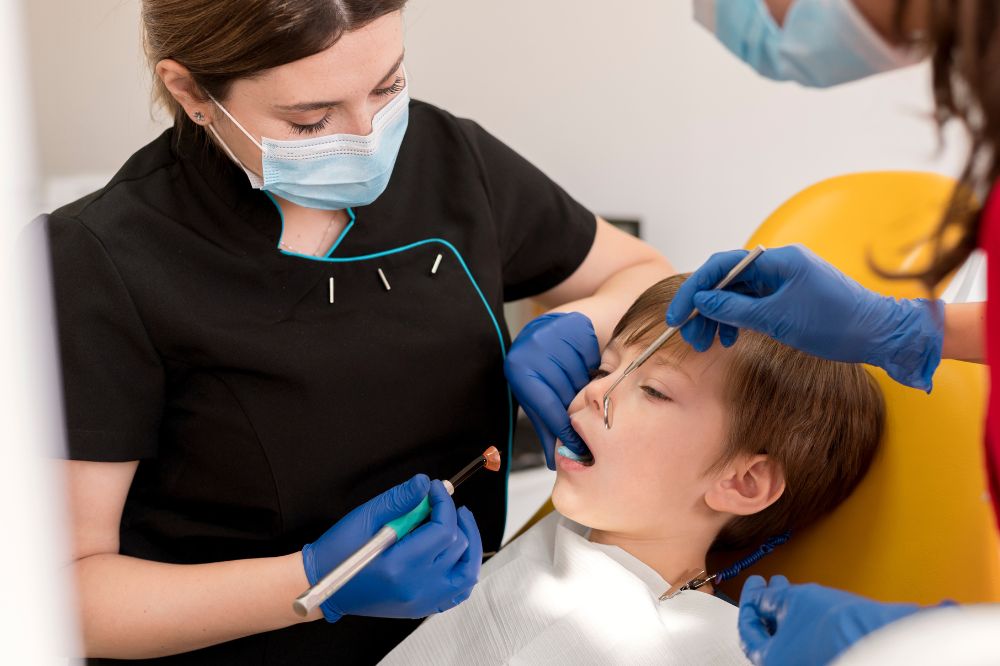
Concerned about your child’s first cavity? A pediatric dentist near Vaughan is there to take the fear of the dentist away from your child so every visit is calm, comfortable, and safe. Understanding the cavity-filling steps along with the gentle techniques will help parents in preparing their children for a stress-free experience.
Cavity fillings for children do more than fix decay; they teach healthy habits, build a positive attitude toward dental care, and help kids maintain strong, healthy teeth as they grow.
What Are Calm Cavity Fillings?
Calm cavity fillings are dental treatments for kids, designed to reduce fear and discomfort. To make the treatment process as stress-free as possible, pediatric dentists utilise sleep dentistry near you options. They use kid-friendly explanations along with gentle techniques.
Key aspects include:
- Using dental instruments that are specialised for children
- Conveying each step in uncomplicated, soothing terms.
- Providing distractions like songs, movies, or stories
- When necessary, we administer local anesthesia or sedation to sensitive children.
When children must get cavities filled, a pediatric dentist puts them at ease through comfort and communication so that they don’t get anxious.
How Pediatric Dentists Approach Cavity Treatment
A pediatric dentist in Maple makes cavity treatment effective while ensuring a gentle encounter. The following is how they usually do it.
- Assessment and Explanation: The dentist checks the child’s teeth for cavities, decay, and gum disease using a special light.
- Anesthesia Options: We can use a local numbing gel or injections. Sedation options available for anxious kids.
- Cavity Removal: The dentist removes the decay without inflicting any pain.
- Filling Placement: The cavity is filled with a tooth-coloured material that is safe and long-lasting.
- Post-Treatment Care: Your child will learn how to brush, floss, and avoid certain foods to protect the filling.
The step-by-step method stops the child from getting excited while fixing their problem.
The Role of Sleep Dentistry for Kids
For particularly anxious or sensitive children, sleep dentistry near you can make a big difference. Sedation allows children to remain relaxed and still during the procedure, reducing stress for both the child and the parent.
Benefits of sedation for kids include:
- Lessened fear and anxiety.
- Procedure Optimization
- Coziness while enduring different treatments at once.
- Early dental experiences that promote routine care should be positive.
Pediatric dentists evaluate every child to assess whether sedation is necessary for the procedure.
Why Early Cavity Treatment Matters
Ignoring cavities in children can lead to bigger problems later. Early intervention prevents:
- Toothaches and discomfort.
- Infection is spreading to other teeth.
- Premature loss of baby teeth can affect permanent teeth.
- More complex procedures in the future.
By scheduling regular dental checkups, parents help children maintain healthy smiles and avoid emergency treatments.
What are the Tips for Parents to Keep Kids Calm
Parents play a key role in preparing their child for fillings. According to pediatric dentists, these are the strategies.
- Speak about it: Explain that the dentist helps keep our teeth healthy.
- Avoid Negative Language: Try to avoid saying negative words like “pain” or “shot,” as it increases fear.
- Practice at Home: Use a toothbrush at home to simulate a visit to the dentist.
- Always a Positive: Applaud children for their valour.
- Bring Favourite Items from Home: A special toy or blanket can help kids feel safe.
You may find visits to the dentist less daunting if you follow these simple steps.
Types of Cavity Fillings for Children
Children may receive different types of fillings depending on the size and location of the cavity. Pediatric dentists typically use:
- Composite Fillings: Tooth-coloured and strong, ideal for visible teeth.
- Glass Ionomer Fillings: Release fluoride to protect the tooth, and are easier to place for younger kids.
- Stainless Steel Crowns: Used for extensive decay when fillings aren’t sufficient.
Each option is selected based on what will last longest and support the child’s oral health.
Unique Approaches to Make Kids Comfortable
To bring down anxiety levels, certain pediatric dentists resort to inventive means.
- Tell-Show-Do Method: Explaining the Situation, Showing the Tools, Doing the Treatment.
- Positive Reinforcement: Entails rewarding the child with small prizes like stickers after the treatment.
- Interactive Distractions: Sounds of the cavity-fillings with video, music, and storying
- Parental Involvement: Encouraging parents to sit around for a reassuring presence.
- Friendly Environment: The clinic features child-friendly decorations, toys, and calming colours.
These strategies will ensure children leave with great memories of their visit.
How Parents Can Follow Up at Home
Post-cavity-filling home care is imperative for a long-lasting effect. Suggestions include.
- Brush twice a day using fluoride toothpaste.
- Gently flossing around the tooth filling.
- Restrict sweet food and drinks.
- Observing for any irritation or discomfort.
- Schedule regular checkups for the early detection of new problems.
Regular dental care supports the work of the dentist and helps maintain teeth’s health.
Creating Positive Dental Experiences Early!
Looking for a gentle and stress-free dental experience for your child? The team at Dental Works 4 Kids specialises in calm, comfortable cavity fillings and helps children build healthy dental habits. Book an appointment today to ensure your child leaves with a smile and a positive attitude toward dental care.
Visit us with ease — just search our clinic on Google Maps for quick directions. 📍
FAQs
Will my child feel pain during a filling?
With local anesthesia or sedation, children feel minimal discomfort. Pediatric dentists focus on gentle, careful treatment.
How Long Do Fillings Last in Baby Teeth?
Certainly, fillings placed correctly will last until the baby tooth falls on its own, while protecting the smile.
How frequently should my child visit the dentist?
It is advisable to do so every six months or more frequently if cavities are an issue.
Is sedation safe for kids?
Okay. Sedation is properly monitored during procedures and only used when it is appropriate.