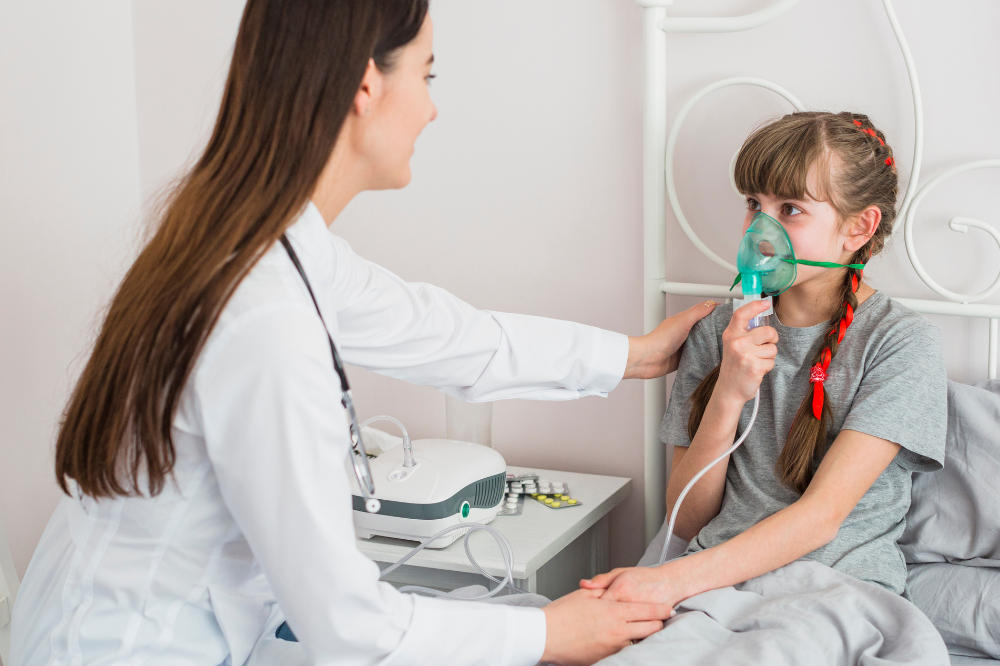
Worried about your child’s breathing at the dentist? A pediatric dentist in Maple looks at more than teeth; they also check your child’s overall health, including breathing and airways. Checking breathing early can find problems and keep your child safe. Parents, school nurses, and dental staff should know how to check a child’s breathing the right way.
Understanding normal breathing patterns, recognizing warning signs, and knowing the steps of a proper respiratory assessment can help detect problems early. This allows timely intervention and prevents complications that could affect oral and general health.
When and Why to Perform a Respiratory Assessment
A pediatric dentist near Vaughan may check a child’s breathing during regular visits, before dental surgery, or if the child shows breathing problems. Common reasons include:
- Having asthma or allergies
- Coughing or wheezing often
- Breathing problems during sleep
- Mouth breathing or other habits that affect the airways
- Congenital disabilities or structural airway issues
Checking early helps keep the child safe at the dentist and supports their overall health.
Key Steps in Respiratory Assessment in Children
A full breathing check for children includes several steps to make sure their breathing and airways are safe. One step is:
- Observation: Watch the child’s chest move up and down. Notice how fast and deep they breathe. Look for flaring nostrils, extra muscle use, or very fast breathing.
- Listening: Use a stethoscope to listen to the lungs for wheezing, crackles, or decreased breath sounds.
- Airway check: Examine the nose, throat, and mouth for obstructions, swelling, or structural abnormalities. This is sometimes referred to as an airway assessment near you in clinical terms.
- Oxygen levels: If you can, check your child’s blood oxygen and watch for any drops when resting or moving.
- Vital signs: Check breathing rate, heart rate, and temperature to notice infection or breathing problems.
These checks help see how your child is breathing and find problems early.
Normal vs. Concerning Signs
It’s important to tell normal and abnormal breathing apart:
Normal breathing:
- Quiet and easy
- Chest rises and falls regularly.
- Pink lips and skin
Worrying signs:
- Fast or hard breathing
- Wheezing, gurgling, or noisy breathing
- Skin pulling in at the chest or neck.
- Bluish lips or fingertips
- Constant coughing or choking
Seeing these signs early helps you get medical help fast and stop serious problems.
Tips for a Child-Friendly Assessment
Performing a respiratory assessment on a child requires a lot of patience.
- Provide simple explanations to calm nerves.
- Try counting breaths together or another playful idea.
- Let a parent hold the child on their lap for comfort.
- Make available to view items like a stethoscope to demystify
- Watch the child carefully before touching so you don’t scare them or make them gasp.
This helps check them safely without upsetting the child.
Integrating Oral and Respiratory Health
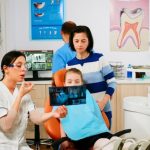
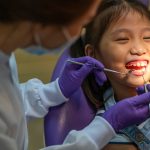
A kid’s dentist check-up offers a chance to see the airway and breathing pattern. If children constantly breathe through their mouths, it will alter the skeletal structure of their faces. With a paired dental and breathing assessment, a pediatric dental clinic near you can provide combined care for oral and overall health.
Safeguarding the health of your airway will allow for safer sedation or anesthesia when you visit the dentist. It will also cause a reduction in risks after you have been operated on. It stresses the significance of consistent checkups in which breathing and teeth are assessed.
Common Conditions Detected During Respiratory Assessment
A breathing check can help find problems like:
- Asthma: Wheezing, coughing, or trouble breathing
- Sleep apnea: Pauses in breathing or loud snoring while sleeping
- Allergies: Stuffy nose that makes it hard to breathe
- Colds or infections: Swelling, stuffy nose, or fever
- Airway problems: Large tonsils, adenoids, or jaw issues that make breathing hard
Finding these problems early helps your child get treated faster and stay healthy.
Protect Your Child’s Smile and Breathing Health!
Take care of your child’s teeth and breathing. Book a visit at Dental Works 4 Kids for gentle, kid-friendly care. A team looks after their teeth and helps make sure they breathe properly, keeping your child healthy, safe, and happy.
FAQs
Can visits to the dentist help find breathing problems?
Yes. Pediatric dentists can look for mouth breathing, tongue position, or blocked airways, which can show if a child has breathing problems.
What is normal and abnormal breathing in children?
Normal breathing is quiet and easy. Abnormal signs include fast breathing, pulling in the chest, wheezing, or bluish lips.
Can you check your child’s breathing at home?
Yes. Parents can watch how their child breathes, look for coughing or snoring, and tell the dentist if anything seems wrong. But a check by a dentist is more accurate.
Is respiratory assessment safe for children?
Yes. Non-invasive observation and monitoring are safe and painless. Professional assessments may also include pulse oximetry or a gentle stethoscope examination, all of which are safe for children.