Speech difficulties can hamper a child’s confidence and learning abilities. Early support, however, can help tremendously.
Speech therapy in Maple helps children improve their speaking abilities with speech therapy through exercises, repeated practice, and guided attention.
When parents understand how therapy works and what to expect, they can help support their child effectively.
What Is Speech Therapy, and How Does It Help?
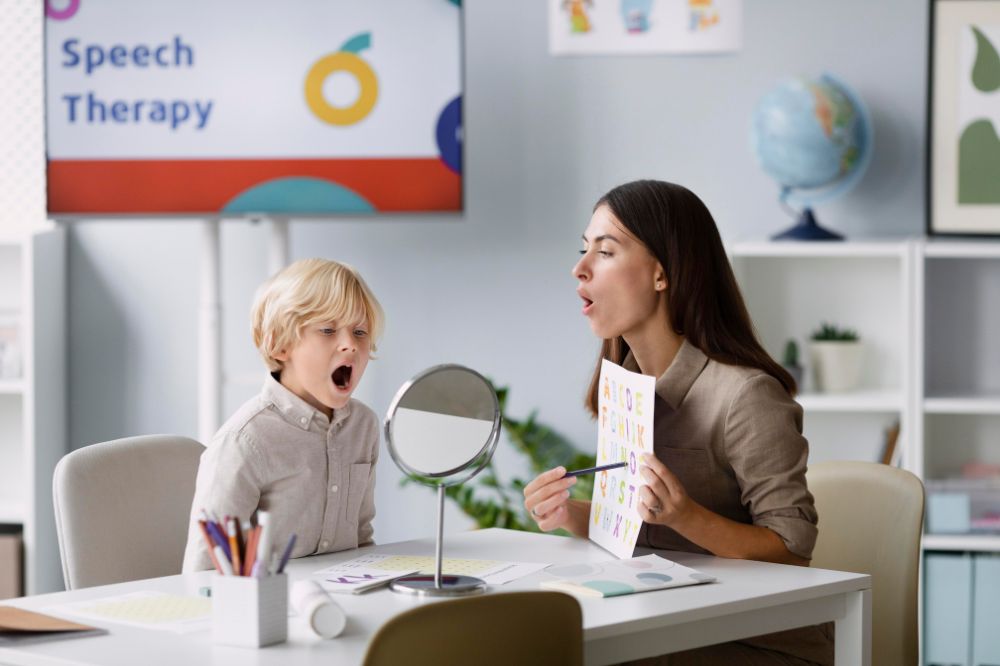
Speech therapy is a treatment session to enhance the way children talk and communicate. An expert therapist works on treating issues such as pronunciation, sentence construction, and voice control.
Receiving pediatric dentistry near you can help achieve normal speech among children.
Key benefits of speech therapy include:
- Improving clarity of speech
- Strengthening oral muscles for better pronunciation
- Boosting confidence in social and academic settings
- Helping children catch up with age-appropriate speech milestones
How Long Does It Take for Speech Therapy to Work?
Parents often ask how long it takes for speech therapy to work. Many factors affect the answer:
- The age of the child: Younger children often progress more rapidly
- The severity of the trouble: People with minor articulation trouble are likely to improve within weeks, but those with more serious trouble can take months or even years
- Consistency: Regular practice at home and sessions with a therapist speed up results
- Type of therapy: Some children need personal therapy, while others do well in a group
On average, a child can experience improvement after 6 to 12 months of treatment, but every child has a different level of speech problems, which is why the time it takes to improve depends on your child.
How Is Speech Therapy Progress Measured?
By monitoring your child’s progress in speech therapy, a therapist will be able to see how well the child is doing and what areas of progress they should work on for the therapy.
Common ways to measure progress include the below:
- Recording sessions to compare speech clarity over time
- Evaluating the pronunciation of specific words or sounds
- Monitoring the child’s confidence and willingness to speak
- Using standardized speech assessment tools
Therapy is regularly assessed to be working and tailored to each child’s needs.
Tips to Support Speech Therapy at Home
Parents help keep therapy going at home while they are not at the clinic. The below-listed daily practices can help children improve faster:
- Encourage talking during meals or playtime
- Go through the reading material together and ask your child to repeat words
- Practice sounds or words suggested by the therapist
- Be patient and provide positive reinforcement
Consistent practice at home can accelerate clinical results.
Comparing Speech Therapy Timelines
| Mild Speech Issues | Moderate Speech Issues | Severe Speech Issues |
| Noticeable improvement in 4–6 weeks | Noticeable improvement in 2–3 months | Improvement may take 6–12 months or longer |
| Usually needs 1–2 sessions per week | 1–2 sessions per week + home practice | Frequent sessions + intensive home practice |
| Minor reinforcement at home | Regular home exercises | Daily structured home exercises |
Take Action to Support Your Child’s Speech
Speech therapy can make a big difference in a child’s life, it needs time, consistency, and guidance. At Dental Works 4 Kids, we help families aid in speech development and closely monitor progress.
If your children are experiencing difficulty with speech, be sure to schedule a consultation today.
Find us on Google Map 📍
FAQs
What is speech therapy in Maple, and who can benefit from it?
Speech therapy helps children improve their speaking and communication skills and benefits the kids who have pronunciation issues, delayed speech, or difficulty forming sentences.
How long does speech therapy take to work for most children?
Duration varies with the child’s age, problem severity, and frequency of practice. Improvement can start in 6 to 12 months for a few children, but it takes time to be full.
How can I track my child’s speech therapy progress?
Speech therapy progress is monitored in routine follow-ups, speech recordings, pronunciation assessments, and confidence tracking when speaking. Exercises are altered by therapists according to the child’s progress.